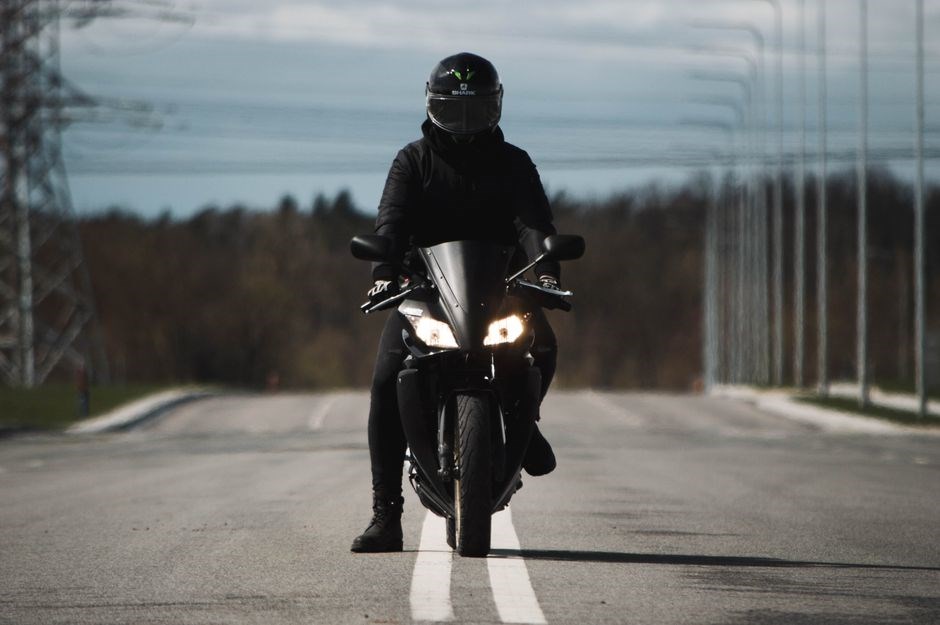
NY Motorcycle Permit Test Overview
The NY Motorcycle Permit Test evaluates knowledge of traffic laws, motorcycle safety, and road signs. Candidates must understand legal requirements, gear standards, and operational rules. Study the official handbook, practice quizzes, and review key topics to pass confidently. Stay safe on the road.!
Eligibility Requirements for the Permit
To qualify for a New York motorcycle permit, applicants must meet several criteria set by the Department of Motor Vehicles (DMV). First, the applicant must be at least 16 years old, or 15 years old if accompanied by a parent or guardian during the test. Second, proof of legal residency in New York State is required; a valid driver’s license, state ID, or a utility bill with the applicant’s name and address will satisfy this requirement. Third, the applicant must possess a clean driving record—no disqualifying violations or suspensions on any prior license. Fourth, a completed application form (Form DMV 660) and the appropriate fee must be submitted in person at a DMV office or through the online portal. Fifth, the applicant must pass a vision screening that meets the DMV’s minimum acuity standards. Finally, the applicant must be able to demonstrate basic motorcycle knowledge by passing the written test, which covers traffic laws, road signs, and motorcycle‑specific rules.
Applicants should also be prepared to provide proof of a clean driving record. If the applicant has any prior traffic violations, those must be disclosed may affect eligibility. Additionally, applicant must be able to demonstrate basic motorcycle handling skills. Finally, the applicant must be ready to pay the applicable fee, which varies based on age and residency status.
The DMV requires valid photo ID proof of insurance. Completing application can expedite process quickly!!!!!.
Required Documents and Identification
To obtain a New York motorcycle permit, applicants must bring a specific set of documents and identification to the DMV. The core items include a valid driver’s license or state identification card, a birth certificate or passport for proof of age, and a recent utility bill or bank statement that confirms the applicant’s current New York address. If the applicant is under 18, a parent or legal guardian must provide a signed consent form and a copy of their own driver’s license. The DMV also requires a completed application form (Form DMV 660) and the appropriate fee, which can be paid by cash, check, or credit card at the office. In addition, applicants must submit a vision screening result that meets the DMV’s minimum acuity standards; this can be obtained at an optometrist or through the DMV’s in‑office vision test. For those who have previously held a motorcycle license in another state, a copy of that license and a proof of residency in New York are required to ensure proper transfer. Finally, applicants should bring a recent photo that meets the DMV’s specifications, as the permit will be issued with a digital photograph. All documents must be in English or accompanied by a certified translation. Failure to provide any of these items will result in a denied application and the need to reschedule the test. Proper preparation and a complete packet will help the applicant move smoothly through the permitting process and avoid unnecessary delays. All documents must be and signed; expired paperwork will be rejected on the day!PleaseThanks.
Exam Format and Content Areas
The NY motorcycle permit test consists of 30 multiple‑choice questions covering traffic laws, road signs, motorcycle operation, and safety gear. You have 30 minutes to answer. Correct answers earn a score; 75% is required to pass. It tests state laws and safety rules!
Traffic Laws and Road Signs
Mastering New York’s traffic regulations is essential for a motorcycle permit. The test focuses on right‑of‑way rules, speed limits, and proper lane positioning. Motorcyclists must recognize and obey all posted signs—stop, yield, speed‑limit, school‑zone, and construction warnings—while also interpreting flashing lights and traffic‑signal changes. Understanding how to merge, pass, and exit safely on multi‑lane roads is tested. The exam also covers the legal definition of a “vehicle” and the requirement to maintain a safe following distance. Riders should study the specific rules for turning at intersections, including the “left‑turn on red” prohibition and the “right‑turn on red” allowance after a complete stop. Knowledge of the “no‑passing” zones, such as school buses and construction barricades, is critical. Additionally, the test evaluates the “two‑safety‑belt” rule for passengers and the importance of wearing a DOT‑approved helmet. Familiarity with the “hand‑signal” system for turns and stops, as well as the “hand‑signal” for lane changes, is also examined. Finally, riders must know how to correctly interpret and react to emergency vehicle signals, including flashing lights and sirens, and the legal requirement to yield to them. Thorough study of the NY DMV Motorcycle Handbook and practice quizzes will reinforce these concepts and improve confidence on test day. Mastering these rules not only helps you pass the exam but builds confidence for very safe riding N! roads.
Motorcycle Operation Rules
Motorcycle operation rules cover the fundamental skills and safety practices required for riders to navigate roads confidently. Riders must always maintain a safe lane position, keeping the bike centered and avoiding sudden shifts that could destabilize the vehicle. Proper use of mirrors is essential; checking the rear‑view and side mirrors before any maneuver ensures awareness of surrounding traffic. When passing another vehicle, a rider should signal, accelerate smoothly, and maintain a clear distance, never cutting off the vehicle ahead. Turning requires a gradual approach, with the rider lowering the front wheel to reduce the turning radius and keeping the rear wheel inside the turn to avoid over‑steering. Braking should be performed with both front and rear brakes, applying the front brake first for maximum stopping power while the rear brake provides stability. Riders should practice counter‑steering techniques to maintain balance during sudden stops or evasive maneuvers. Additionally, understanding the “two‑wheel” principle—using the front wheel for steering and the rear wheel for traction—helps in maintaining control on uneven surfaces. Proper gear selection is crucial; shifting to a lower gear during uphill climbs and a higher gear during downhill descents optimizes engine performance and reduces wear. Riders should also be familiar with the “hand‑signal” system for turns and lane changes, which is mandatory when riding in traffic. Finally, staying alert to road conditions, such as potholes, gravel, and wet patches, and adjusting speed accordingly, completes the set of operation rules that every rider must master to pass the permit exam and ride safely. Practice these rules to build confidence and safety!!
Safety Equipment and Gear Standards
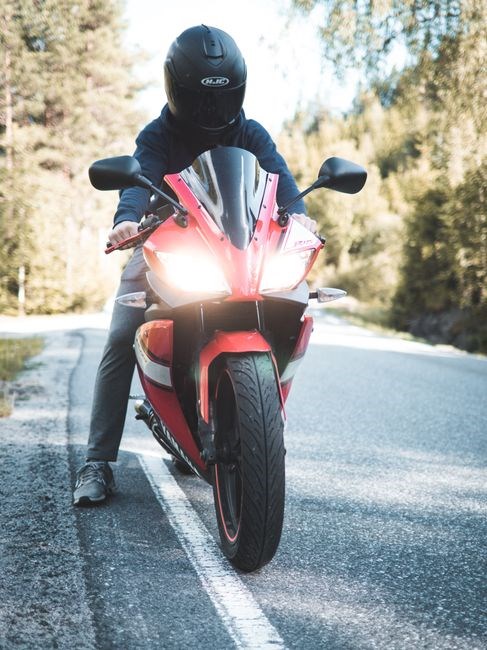
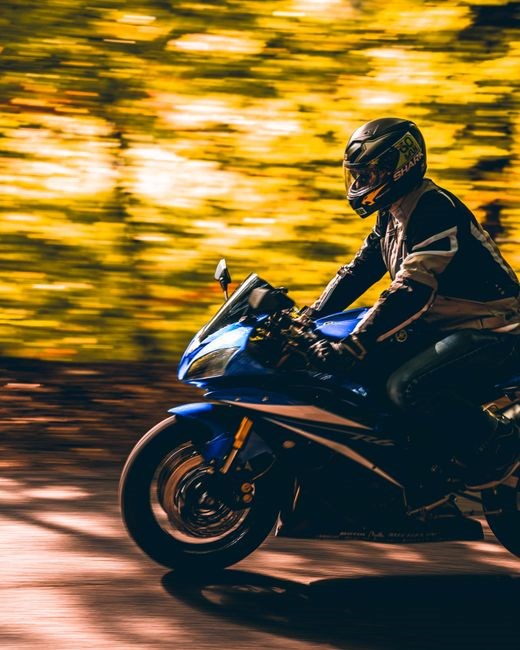
NY motorcyclists must wear a helmet that meets DOT or ECE standards, covering the entire head and secured with a chin strap. Protective gloves should be leather or synthetic, covering the wrists and providing grip. A jacket, preferably with reinforced panels or armor, protects the torso and shoulders. Pants with abrasion‑resistant material and knee protection are required. Boots should cover the ankles and have a non‑slip sole. All gear must be in good condition, free of cracks or excessive wear. Riders should also consider eye protection, such as goggles or a face shield, especially when riding in wind or rain. In addition, reflective or high‑visibility clothing enhances nighttime safety. The NY DMV requires that the helmet be properly fitted and fastened, with no gaps between the helmet and the skull. Gloves must be snug but not restrictive, allowing full finger movement. Jackets and pants should fit snugly to prevent excess fabric from catching on moving parts. Boots must provide ankle support and be sturdy enough to protect the foot during a fall. Proper gear not only meets legal requirements but significantly reduces injury risk, making it essential for every rider preparing for the permit test and beyond. Helmet straps must be adjustable and secure, preventing slippage during sudden stops or turns. Gloves should provide adequate grip and be padded at the knuckles to absorb impact during falls. A jacket with integrated armor plates offers superior protection for the torso, shoulders, and elbows during high‑speed rides.
Study Resources and Materials
Use the NY DMV Motorcycle Handbook online for rules and safety guidelines. Practice free online tests and sample questions to gauge readiness. Review flashcards, video tutorials, and local riding schools for hands‑on insights. Download the handbook PDF. Quick Tips!!
Official NY DMV Motorcycle Handbook
The New York Department of Motor Vehicles publishes a Motorcycle Handbook that serves as the primary study guide for the permit exam. The handbook is available in PDF and web formats, allowing candidates to review material on desktop, tablet, or smartphone. It covers core subject areas required by the NY DMV: traffic laws, road‑sign recognition, motorcycle‑specific rules, and safety‑equipment standards. Each chapter is organized with clear headings, concise explanations, and illustrative diagrams that help learners visualize complex concepts such as lane‑sharing, right‑of‑way, and emergency‑maneuvering. The handbook includes a chapter on legal responsibilities of a rider, detailing consequences of violations, importance of proper documentation, and steps to take in an accident. Additionally, the guide offers a section on gear, including helmet certification, gloves, jackets, and boots, and explains how each item meets or exceeds NY safety regulations. The handbook’s “Practice Test” section contains a set of multiple‑choice questions that mirror the format of the permit exam. Candidates can use these questions to assess readiness, identify weak areas, and track progress over time. The PDF version can be downloaded for study, while the web version provides features such as quick‑search, bookmarking, and a glossary of key terms. By studying the handbook thoroughly, riders gain a solid foundation handbook in theory practical knowledge, positioning them for success on the NY Motorcycle Permit Test.
Online resources are essential for mastering the NY motorcycle permit test. Several reputable sites offer full-length practice tests that mirror the DMV’s format, complete with multiple‑choice questions and timing features. The DMV website hosts a free practice test that includes 40 questions covering traffic laws, road‑sign identification, and motorcycle‑specific rules. Each question is accompanied by a brief rationale clarifying why the correct answer is right and why the distractors are wrong. Immediate feedback helps learners correct misconceptions and reinforce key concepts. When selecting a resource, look for up‑to‑date content that reflects NY DMV handbook revisions, as changes in traffic laws or gear requirements can affect exam answers. Consistent practice using these online tools builds confidence, improves test‑taking speed, and ensures that you’re familiar with wording and structure of the questions you’ll encounter on exam day. By integrating these digital study aids into your routine, you can simulate the real exam environment, identify weak spots, and eliminate them before you sit for the test. The handbook is divided into chapters that align with the exam’s focus: Traffic Laws, Road Signs, Motorcycle Operation, Safety Equipment, and Legal Requirements. Each chapter offers clear explanations, diagrams, and sample questions; A QR code links to DMV test It includes a printable study guide and a QR code for online practice. Many riders use the color‑coded sections to study efficiently—————
Effective Test‑Taking Strategies
Approach the NY motorcycle permit exam with a structured plan that balances review, practice, and mental readiness. Begin by mapping the test’s four core content areas—traffic laws, road signs, motorcycle operation, and safety equipment—into daily study blocks. Allocate 30‑minute sessions for each topic, using spaced repetition to reinforce memory. During practice tests, time yourself strictly; the real exam allows 30 minutes for 40 questions, so aim for 45 seconds per question. Note every incorrect answer, then revisit the handbook section that explains the concept. This iterative review turns mistakes into learning moments. On exam day, arrive early, bring all required documents, and read each question carefully—many items test subtle distinctions in law or gear standards. Use the “process of elimination” by cross‑checking options that conflict with known rules. If unsure, mark the question and return to it after completing the rest; the DMV test is not penalized for guessing. Maintain a calm mindset by practicing deep breathing before the test and pacing yourself throughout. Finally, after the exam, review the score sheet; if you fail, analyze the pattern of errors to target specific weaknesses in your next study cycle; Consistent, focused preparation transforms the permit test from a hurdle into a manageable milestone on your riding journey. Check gear sections for helmet, jacket, and boot rules, as appear in questions. Practice daily, now
Approach the NY motorcycle permit exam with a structured plan that balances review, practice, and mental readiness. Begin by mapping the test’s four core content areas—traffic laws, road signs, motorcycle operation, and safety equipment—into daily study blocks. Allocate 30‑minute sessions for each topic, using spaced repetition to reinforce memory. During practice tests, time yourself strictly; the real exam allows 30 minutes for 40 questions, so aim for 45 seconds per question. Note every incorrect answer, then revisit the handbook section that explains the concept. This iterative review turns mistakes into learning moments. On exam day, arrive early, bring all required documents, and read each question carefully—many items test subtle distinctions in law or gear standards. Use the “process of elimination” by cross‑checking options that conflict with known rules. If unsure, mark the question and return to it after completing the rest; the DMV test is not penalized for guessing. Maintain a calm mindset by practicing deep breathing before the test and pacing yourself throughout. Finally, after the exam, review the score sheet; if you fail, analyze the pattern of errors to target specific weaknesses in your next study cycle. Consistent, focused preparation transforms the permit test from a hurdle into a manageable milestone on your riding journey. Check gear sections for helmet, jacket, and boot rules, as appear in questions. Practice daily, now
Remember, the permit exam tests both knowledge and practical understanding. Use flashcards for quick recall, full‑length tests for timing, and review explanations for wrong answers. Stay calm, read carefully, and trust your preparation. After the test, review your score sheet to identify weak areas for focus study.
What Happens After You Pass the Permit Test
After successfully completing the written portion of the New York motorcycle permit exam, you receive a temporary permit that allows you to practice riding under specific conditions. The DMV will mail you an official permit card within 7–10 business days. While holding this card, you must keep a valid driver’s license or state ID on board, wear approved protective gear, and ride only during daylight hours unless you have a signed waiver. You are also required to complete a 30‑minute motorcycle safety course within 60 days of obtaining the permit; the course certificate must be submitted to the DMV to qualify for a full motorcycle license. If you fail to finish the course on time, the permit will expire and you must retake the written test. During the practice period, you may ride only on roads with a speed limit of 45 mph or less, and you cannot carry passengers or ride on highways. Once the safety course is approved, you can schedule a road‑test appointment. The road test evaluates your ability to perform standard maneuvers such as a three‑point turn, a U‑turn, and controlled braking. A passing score on the road test grants you a full motorcycle license, which you must activate by presenting the permit card and course certificate. It is essential to keep the permit card in your wallet until the license is issued, as it serves as proof of eligibility to practice riding. Staying organized smooths transition to licensed rider daily today.
Renewing and Maintaining Your Motorcycle Permit
Motorcycle permits in New York expire 12 months after issuance. Renewal is done online or at a DMV office with a $25 fee and a current permit card. If the permit has lapsed, you must retake the written test and pay $35. The permit card must stay in your wallet as proof of eligibility while you finish the required safety course.
Completing the 30‑minute safety course within 60 days of receiving the permit is mandatory. The instructor issues a certificate that the DMV must receive; otherwise the permit is revoked and you must start over.
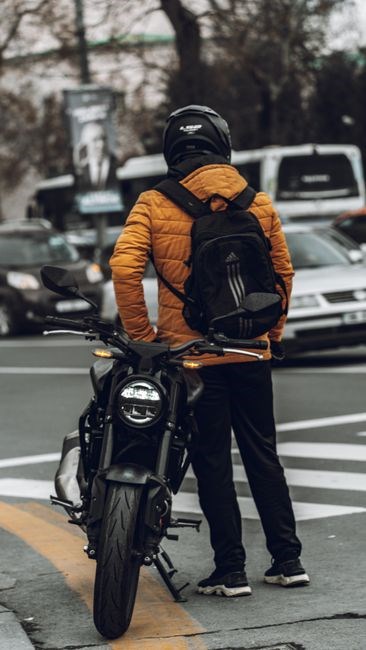
While the permit is active, you may ride only during daylight, on roads with speed limits ≤ 45 mph, and you must wear approved gear. You cannot carry passengers or ride on highways. To upgrade to a full license, schedule a road‑test once the course is approved. The test checks maneuvers such as a three‑point turn, a U‑turn, and controlled braking.
Set reminders for renewal dates and course deadlines. The DMV offers email/text alerts. Keep a copy of your renewal confirmation and course certificate in a secure folder. Staying organized helps you ride safely and legally while the permit remains valid.
The permit also requires you to maintain a clean motorcycle, free of any mechanical defects that could compromise safety. Regular inspections, proper tire pressure, and functional brakes are mandatory. Riders should also familiarize themselves with local traffic regulations.
Keep your registration sticker now.
Frequently Asked Questions About the NY Motorcycle Permit Test
Q1: How long is a permit valid in New York? A: 12 months from issuance.
Q2: What documents are needed? A: Driver’s license, ID proof, and the NYDMV handbook.
Q3: Can I take the test online? A: Yes, via the DMV website after scheduling.
Q4: How many questions? A: 25 multiple‑choice items.
Q5: What score passes? A: 70% or higher.
Q6: What if I fail? A: Retake after 24 hrs, pay the fee again.
Q7: How to renew? A: Online or at a DMV office; pay $25 and submit the safety‑course certificate;
Q8: Is there a fee? A: $25 for the written test; $35 if retaken after lapse.
Q9: Can I bring a friend to the test? A: No, only the test taker may sit for the exam.
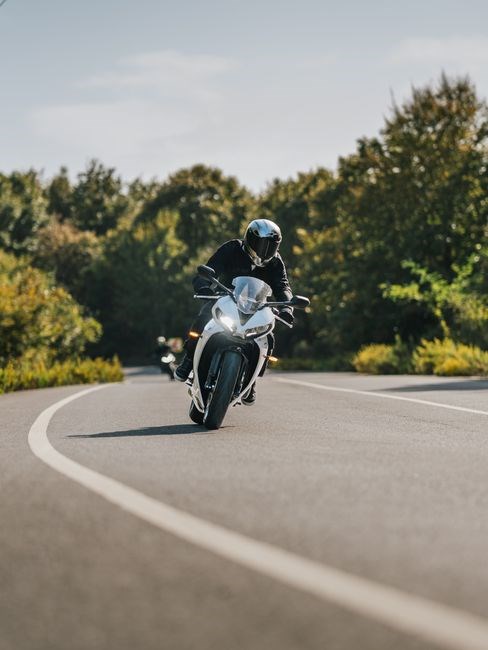
Q10: What safety gear is required for the permit? A: Helmet, gloves, jacket, pants, and boots that meet DOT standards.
Q11: How long does the written test take? A: Approximately 20 minutes to complete all 25 questions.
Q12: What happens if I lose my permit? A: Report it to the DMV and apply for a replacement; you may need to retake the test again.