
Neutral safety switches are vital components in manual transmission vehicles, ensuring the engine only starts when the transmission is truly in neutral.
These switches prevent accidental vehicle movement, enhancing driver and passenger safety, and are often located near the shift linkage.
What is a Neutral Safety Switch?
A Neutral Safety Switch (NSS) is an essential electrical component found in both automatic and manual transmission vehicles. Its primary function is to allow the engine to start only when the transmission is in Park (for automatics) or Neutral (for manuals), and the clutch is engaged.
Essentially, it’s a safety interlock preventing accidental starts in gear, which could lead to unintended vehicle movement and potential hazards. The switch acts as a gatekeeper within the starting circuit, completing the circuit only under the correct conditions. It’s a crucial element in preventing dangerous situations.
Purpose of the Switch in Manual Vehicles
In manual transmission vehicles, the Neutral Safety Switch’s purpose is to confirm the transmission is in neutral before allowing the starter to engage. This prevents the car from lurching forward or backward if the gear is engaged when the ignition is turned.
The switch works in conjunction with the clutch pedal; it requires both neutral gear selection and clutch pedal engagement to complete the starting circuit. This dual requirement adds an extra layer of safety, ensuring complete driver control.
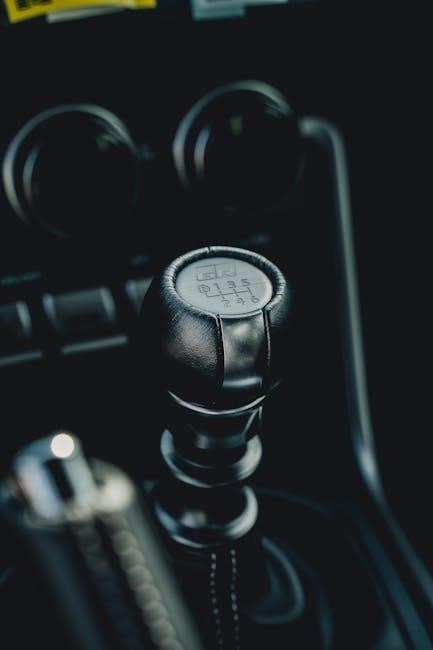
Symptoms of a Failing Neutral Safety Switch (Manual)
Common signs include difficulty starting, intermittent no-crank situations, or the starter engaging unexpectedly, even without pressing the clutch pedal. Electrical malfunctions are frequent.
Vehicle Won’t Start in Neutral
A primary symptom of a failing neutral safety switch in a manual transmission vehicle is the inability to start the engine when the gear selector is in neutral. This occurs because the switch fails to signal the starting system that it’s safe to engage.
Even with the clutch pedal fully depressed – which should complete the circuit – the starter motor remains inactive. This issue can be frustrating, leaving drivers stranded. It’s crucial to remember that the switch must accurately confirm neutral position for the engine to crank.
No Crank, No Start Condition
Experiencing a “no crank, no start” scenario is a common indicator of a faulty neutral safety switch in manual transmission cars. This means turning the ignition key results in absolutely no response from the starter motor – no clicking, no whirring, just silence.
This differs from a weak battery, as there’s a complete lack of electrical activity towards the starter. The switch’s failure prevents the starter relay from receiving the necessary signal, effectively blocking the engine from even attempting to turn over.
Intermittent Starting Issues
Frustratingly, a failing neutral safety switch often doesn’t present a consistently obvious problem. Instead, you might encounter intermittent starting issues – sometimes the car starts normally, and other times it refuses to crank. This unpredictable behavior stems from a loose connection or internal wear within the switch.
Vibrations or slight movements of the shift linkage can temporarily restore contact, allowing the car to start, only for it to fail again shortly after. This makes diagnosis tricky.
Starter Engages When It Shouldn’t
A concerning symptom of a faulty neutral safety switch is the starter engaging unexpectedly, even when the transmission isn’t in Park or Neutral. This dangerous situation can occur if the switch is internally shorted or misaligned, sending a constant signal to the starter solenoid.
This poses a significant safety risk, potentially causing the vehicle to lurch forward or backward unexpectedly. Immediate attention is crucial to prevent accidents and further damage.

Location of the Neutral Safety Switch
Neutral safety switches are typically positioned close to the shift linkage, either under the center console or next to a column shifter, for accurate gear position detection.
Typical Placement Near the Shift Linkage
The neutral safety switch is commonly found physically close to the shift linkage mechanism itself. This strategic placement allows the switch to directly monitor the gear selector’s position. For vehicles with a center console shifter, expect to find the switch underneath the console, directly adjacent to the shifter’s base.
In column-shift vehicles, the switch resides beside the steering column, integrated into the shifting apparatus. This proximity ensures accurate detection of neutral, preventing unintended starts and bolstering overall vehicle safety.
Switch Location for Center Console Shifters
For vehicles equipped with a center console shifter, the neutral safety switch is typically situated directly beneath the console itself. Its precise location is adjacent to the base of the shifter, allowing it to accurately monitor gear selection. Accessing this switch often requires removing portions of the center console trim for inspection or replacement.
This positioning ensures the switch can reliably determine when the transmission is in neutral, preventing accidental starting in gear and enhancing overall vehicle safety.
Switch Location for Column Shifters
In vehicles featuring a column shifter, the neutral safety switch is commonly found positioned directly next to the steering column itself. Often, it’s tucked closely to the shifter’s base, enabling it to monitor the transmission’s position effectively. Accessing the switch may involve removing steering column covers or trim pieces.
This placement allows for a direct mechanical link to the shifter, ensuring accurate detection of neutral and preventing unintended vehicle movement.
How the Switch Works
Neutral safety switches utilize mechanical engagement with the shift linkage and the clutch pedal to complete an electrical circuit.
This allows the starter to engage only when in neutral, ensuring safety.
Mechanical Engagement and Electrical Circuit
Neutral safety switches function through a clever interplay of mechanical positioning and electrical conductivity. When the transmission is in neutral, and the clutch pedal is fully depressed, the switch’s internal mechanism aligns, completing a vital electrical circuit.
This completed circuit sends power to the starter solenoid, initiating the engine’s start-up sequence. Conversely, if the transmission isn’t in neutral, or the clutch isn’t pressed, the circuit remains open, preventing the starter from engaging – a crucial safety feature.
Role of the Clutch Pedal
In manual transmission vehicles, the clutch pedal plays a critical role alongside the neutral safety switch. The switch requires the clutch pedal to be fully depressed while in neutral to allow the engine to start. This dual requirement is a key safety measure, preventing unintended vehicle movement.
The depressed clutch disengages the engine from the transmission, ensuring it’s safe to crank. Without this simultaneous action, the switch remains inactive, blocking the starter’s electrical connection and preventing ignition.
Switch Activation Process
The neutral safety switch activation in a manual transmission involves a precise sequence. With the vehicle in neutral and the clutch pedal fully depressed, the switch’s internal mechanism is engaged. This action completes the electrical circuit, allowing power to reach the starter solenoid.
Essentially, the switch verifies both conditions – neutral gear selection and clutch engagement – before authorizing the engine to crank. This multi-step process is a crucial safety feature, preventing accidental starts.
Troubleshooting a Faulty Neutral Safety Switch
Troubleshooting begins with checking the fuse associated with the switch; a blown fuse suggests an electrical issue. Visual inspection for damage and multimeter testing are key steps.
Checking the Fuse
Begin troubleshooting by locating the fuse box, typically under the dashboard or within the engine compartment. Consult your vehicle’s owner’s manual to identify the specific fuse responsible for the neutral safety switch. Visually inspect the fuse; a broken filament indicates a blown fuse.
If the fuse is blown, replace it with a new fuse of the identical amperage. However, a repeatedly blown fuse signals a deeper electrical problem, like a short circuit, requiring further investigation beyond simple replacement. Ignoring this could lead to more significant damage.
Visual Inspection for Damage
Carefully examine the neutral safety switch and its surrounding wiring for any obvious signs of damage. Look for cracked housings, broken connectors, or corroded terminals. Pay close attention to the area near the shift linkage, as this is prone to wear and tear.
Inspect the wiring harness for frayed wires or damaged insulation. Even minor damage can disrupt the electrical circuit. A thorough visual check can often reveal the source of the problem, saving time and effort during more complex testing.
Testing the Switch with a Multimeter
Utilize a multimeter to verify the switch’s functionality. Disconnect the switch and set the multimeter to measure continuity. With the clutch pedal depressed (or in neutral for some designs), the switch should show continuity.
Release the pedal, and continuity should be broken. If the multimeter doesn’t reflect these changes, the switch is likely faulty. Consult your vehicle’s wiring diagram for specific terminal locations and expected readings for accurate testing.
Neutral Safety Switch Adjustment
Adjusting a loose switch is sometimes possible, resolving starting issues. Proper alignment ensures the switch accurately detects the neutral position, allowing the starter to engage correctly.
Adjusting a Loose Switch
If a neutral safety switch feels loose, careful adjustment might restore functionality, avoiding immediate replacement. Begin by locating the switch, typically near the shift linkage or console. Gently manipulate the switch’s position while attempting to start the vehicle in neutral.
Small adjustments are key; excessive force can damage the switch. The goal is to find the “sweet spot” where the starter engages reliably. If adjustment fails, or the switch is visibly damaged, replacement is necessary for continued safety and reliable operation.
Proper Alignment Procedures
Correct alignment of the neutral safety switch is crucial for reliable operation. After loosening, ensure the switch engages fully when the transmission is in neutral. Some switches require specific orientation; consult your vehicle’s repair manual for diagrams.
Verify the switch activates the starter only in neutral and park (if applicable). Improper alignment can lead to intermittent starting or the starter engaging at unwanted times, posing a safety hazard. Tighten the switch securely after confirming correct function.

Replacement Process
Replacing a faulty neutral safety switch involves disconnecting the battery, removing the old switch from its location near the shifter, and installing a new one securely.
Disconnecting the Battery
Before beginning the neutral safety switch replacement, always disconnect the negative battery terminal. This crucial step prevents accidental short circuits and potential electrical damage during the process. Use a wrench to loosen the nut on the negative terminal, carefully remove the cable, and secure it away from the battery post. This ensures a safe working environment, protecting both you and the vehicle’s electrical system from harm. Remember to have your radio code available, as disconnecting the battery may reset some vehicle systems.
Removing the Old Switch
After disconnecting the battery, locate the neutral safety switch – typically near the shift linkage or column. Carefully disconnect the electrical connector(s) attached to the switch, noting their positions for reinstallation. Depending on the vehicle, the switch may be held in place by screws or clips. Remove these fasteners, and gently maneuver the old switch out of its mounting location. Be mindful of any surrounding components to avoid damage during removal.
Installing the New Switch
Carefully align the new neutral safety switch with its mounting location, ensuring correct orientation. Secure it using the previously removed screws or clips. Reconnect the electrical connector(s), referencing any notes made during removal to ensure proper placement. Verify a snug fit for both the switch and connectors. Double-check that all wiring is clear of moving parts before proceeding to the final steps of the replacement process.
Cost of Replacement
Parts for a neutral safety switch typically range from $30 to $100, while labor costs can vary from $80 to $200, depending on vehicle and shop rates.
Parts Cost
The cost of a replacement neutral safety switch for a manual transmission vehicle can fluctuate significantly based on the vehicle’s make, model, and year. Generally, you can expect to find aftermarket switches ranging from approximately $25 to $80. Original Equipment Manufacturer (OEM) parts, known for their quality and precise fit, typically fall within the $50 to $150 price range.
Online retailers often offer competitive pricing, but it’s crucial to verify compatibility with your specific vehicle before purchasing. Furthermore, consider potential shipping costs when comparing prices from different sources. Choosing a reputable brand can also impact the overall cost and longevity of the replacement part.
Labor Costs
Labor costs for replacing a neutral safety switch in a manual transmission vehicle typically range from $100 to $300, though this can vary depending on the mechanic’s hourly rate and the vehicle’s complexity. The repair usually takes between one to three hours to complete, as access to the switch can sometimes be challenging.
Dealerships generally charge higher labor rates than independent repair shops. Obtaining quotes from multiple mechanics is advisable to ensure a fair price. Remember to inquire about any additional fees for diagnostic testing or parts markup before authorizing the repair.

Potential Electrical Issues
Electrical problems, like short circuits or loose wiring, frequently cause neutral safety switch failures, often blowing fuses. A faulty switch can also trigger intermittent starting problems.
Short Circuits and Blown Fuses
Short circuits represent a common electrical issue affecting neutral safety switches, frequently leading to blown fuses. A power surge can overwhelm the switch’s circuit, causing the fuse to fail as a protective measure. However, simply replacing the fuse isn’t always a permanent fix.
Identifying the root cause of the short – often a damaged wire, particularly within the steering column – is crucial. Repeatedly blown fuses indicate an underlying wiring problem that needs addressing to prevent further switch malfunctions and ensure reliable starting.
Wiring Problems
Wiring problems are frequently intertwined with neutral safety switch failures, often manifesting as intermittent starting issues or a complete no-start condition. Damaged, corroded, or loose wiring connections can disrupt the electrical signal between the switch, the ignition system, and the starter.
Specifically, wires within the steering column are prone to wear and tear. Thoroughly inspecting the wiring harness for breaks, shorts, or corrosion is essential during troubleshooting. Repairing or replacing faulty wiring is vital for restoring proper switch functionality.
Safety Considerations
Neutral safety switches are crucial for preventing unintended vehicle movement; a faulty switch poses a significant risk of accidental starts and potential injury.
Why the Switch is Important
The neutral safety switch is a fundamental safety feature, preventing the engine from starting unless the transmission is in neutral or park – with the clutch engaged for manuals. This prevents accidental vehicle roll or lurching, especially on inclines.
Without a functioning switch, the car could unexpectedly jump into gear when the ignition is turned, creating a dangerous situation for the driver, passengers, and bystanders. It’s a critical safeguard against unintended movement and potential collisions, ensuring responsible vehicle operation.
Risks of Driving with a Faulty Switch
Driving with a failing neutral safety switch presents significant dangers. The vehicle might start in gear, causing a sudden, uncontrolled launch forward or backward, potentially leading to accidents and injuries.
Intermittent failures can leave you stranded, or the starter could engage unexpectedly while driving, damaging components. Ignoring the issue compromises safety and increases the risk of a collision. Prompt repair or replacement is crucial to avoid these hazardous scenarios.
DIY vs. Professional Repair
Replacing a neutral safety switch can be a DIY project for mechanically inclined individuals, but requires specific tools and electrical knowledge.
Professional repair ensures accurate diagnosis and installation, avoiding potential issues.
Skill Level Required
Successfully tackling a neutral safety switch replacement demands intermediate mechanical skills. You’ll need comfort disassembling interior components, accessing the switch near the shifter or column, and working with electrical connectors.
A basic understanding of automotive wiring and the use of a multimeter are crucial for testing and verifying the new switch’s functionality.
If you lack confidence in these areas, professional assistance is highly recommended to prevent further complications or safety hazards.
Tools Needed
For a DIY neutral safety switch replacement, gather essential tools. You’ll require a socket set and wrenches to access and remove the switch, along with screwdrivers for interior panel removal.
A multimeter is vital for testing switch continuity and voltage. Electrical tape and connectors are needed for wiring, and penetrating oil can help loosen stubborn fasteners. Don’t forget work gloves and safety glasses for protection during the process.
Common Causes of Failure
Neutral safety switches often fail due to normal wear and tear over time, corrosion from exposure to elements, or physical impact damage from shifting.
Wear and Tear
Over extended periods, the internal components of a neutral safety switch experience consistent mechanical stress with each gear shift. This repeated action gradually leads to the deterioration of the switch’s contacts and moving parts.
Consequently, the switch may become less reliable in accurately detecting the neutral position, resulting in intermittent starting problems or a complete failure to engage the starter. Regular use simply contributes to the inevitable degradation of these crucial components, necessitating eventual replacement.
Corrosion
Exposure to moisture and road salts can significantly impact the longevity of a neutral safety switch. These elements promote corrosion within the switch’s intricate electrical connections and mechanical linkages.
Corrosion hinders the smooth operation of the switch, creating resistance and potentially causing it to fail. This is particularly common in regions with harsh winters or coastal environments. Regular inspection and preventative maintenance can help mitigate the effects of corrosion, but eventual replacement is often unavoidable.
Impact Damage
Physical shocks and vibrations, often stemming from rough driving conditions or accidental impacts near the shift linkage, can damage a neutral safety switch.
These impacts can misalign internal components or even cause fractures within the switch housing, disrupting its functionality. Damage is more likely if the switch is exposed or poorly protected. Careful driving and avoiding situations that could cause jarring impacts are crucial for preventing this type of failure, alongside regular inspections.
Neutral Safety Switch and Anti-Theft Systems
Neutral safety switches can interact with a vehicle’s immobilizer system, potentially causing conflicts if faulty.
A malfunctioning switch might prevent the engine from starting, mimicking an anti-theft system activation.
Interaction with Immobilizers
Modern vehicles often integrate the neutral safety switch with the car’s anti-theft immobilizer system. The switch confirms the transmission is in neutral, allowing the immobilizer to disengage and permit engine starting.
A failing neutral safety switch can incorrectly signal the system, triggering the immobilizer even when the vehicle should start. This creates a false alarm, preventing ignition and potentially requiring a diagnostic scan to differentiate between a genuine theft attempt and a switch malfunction. Proper diagnosis is crucial to avoid unnecessary security system resets.
Potential Conflicts
Conflicts can arise when aftermarket security or remote start systems are installed alongside the factory immobilizer and neutral safety switch. These systems may misinterpret signals from a faulty switch, leading to unexpected behavior like the engine refusing to start or the immobilizer activating randomly. Diagnostic tools are essential to pinpoint the source of the conflict – whether it’s the original switch, the added system, or a wiring issue. Careful system integration and testing are vital to prevent these frustrating scenarios.

Future Trends in Neutral Safety Switch Technology
Advanced sensor technology and integration with vehicle systems are emerging, promising more precise control and diagnostic capabilities for neutral safety switches.
This evolution enhances safety and reliability.
Integration with Vehicle Systems
Future neutral safety switches will likely move beyond standalone functionality, becoming deeply integrated with a vehicle’s broader electronic architecture. This includes communication with the engine control unit (ECU) and potentially the anti-theft system, offering enhanced security and diagnostic capabilities.
Such integration allows for real-time monitoring of switch status, enabling more accurate fault detection and potentially preventing unintended starts. Furthermore, data from the switch could contribute to advanced driver-assistance systems (ADAS), improving overall vehicle safety and performance.
Advanced Sensor Technology
Next-generation neutral safety switches may incorporate more sophisticated sensor technology, moving beyond simple mechanical contacts. Hall-effect sensors or similar contactless methods could offer increased reliability and durability, reducing wear and tear associated with traditional switch designs.
These advanced sensors would provide more precise position detection, minimizing the risk of false signals and improving overall system accuracy. This shift towards advanced technology promises a more robust and dependable safety feature for manual transmission vehicles.