
Acid Reflux Diet Plan: A Comprehensive Guide
Navigating acid reflux requires a tailored diet; a downloadable PDF provides guidelines on foods to embrace, limit, and avoid for effective GERD and heartburn management․
Understanding Acid Reflux & GERD
Acid reflux occurs when stomach acid frequently flows back into the esophagus, irritating its lining․ This common condition manifests as heartburn, a burning sensation in the chest, often after eating․ However, it can also present with less obvious symptoms like a bitter taste, bloating, or even difficulty swallowing․
Gastroesophageal Reflux Disease (GERD) is a more severe and chronic form of acid reflux․ It arises from frequent or prolonged exposure of the esophagus to stomach acid, potentially leading to inflammation and damage over time․ Understanding the difference is crucial, as GERD often necessitates medical intervention alongside dietary adjustments․
A carefully planned diet, often detailed in resources like an acid reflux diet plan PDF, plays a pivotal role in managing both conditions․ By identifying and avoiding trigger foods, and prioritizing those that soothe the digestive system, individuals can significantly reduce symptoms and improve their quality of life․
Common Symptoms of Acid Reflux
Heartburn, a burning sensation in the chest, is the hallmark symptom of acid reflux, often worsening after meals or when lying down․ However, the presentation of acid reflux is diverse․ Many experience a bitter or sour taste in the mouth, a direct result of stomach acid backing up into the esophagus․
Bloating and excessive gas are frequent companions, contributing to discomfort and a feeling of fullness․ Some individuals report difficulty swallowing (dysphagia), or a sensation of food getting stuck․ Less common, yet concerning, symptoms include chronic cough, hoarseness, and even asthma-like symptoms, triggered by acid irritation․
An acid reflux diet plan PDF can help correlate symptoms with dietary choices․ Recognizing these signs is the first step towards effective management․ Ignoring persistent symptoms can lead to more serious complications, emphasizing the importance of seeking medical advice and adopting a suitable dietary approach․
The Role of Diet in Managing Acid Reflux
Diet plays a pivotal role in controlling acid reflux and GERD symptoms․ Strategic food choices can significantly reduce stomach acid production and minimize esophageal irritation․ An acid reflux diet plan PDF serves as a practical guide, categorizing foods based on their impact․
Focusing on low-acid foods is paramount․ Alkaline-rich options help neutralize stomach acid, while avoiding triggers like fried foods, citrus fruits, and caffeine prevents exacerbation of symptoms․ Understanding the pH scale – acidic versus alkaline – empowers informed decisions․
A well-structured diet isn’t merely about elimination; it’s about incorporating beneficial foods․ Lean proteins, high-fiber grains, and cooked vegetables promote digestive health․ A downloadable PDF provides a comprehensive list, streamlining meal planning and fostering long-term symptom management․ Dietary adjustments, alongside lifestyle changes, are key to lasting relief․

Foods to Embrace: The Low-Acid Diet
A reflux-friendly diet prioritizes alkaline and watery foods, lean proteins, and fiber-rich options, detailed in an acid reflux diet plan PDF․
High-Alkaline Foods for Reflux Relief
Embracing high-alkaline foods is a cornerstone of managing acid reflux, as they help neutralize stomach acid and reduce esophageal irritation; A comprehensive acid reflux diet plan PDF will typically highlight several excellent choices․ These include most non-citrus fruits like bananas, melons, and pears, offering a gentle impact on stomach pH․ Vegetables such as broccoli, cauliflower, asparagus, and green beans are also highly recommended due to their alkaline nature․
Furthermore, root vegetables like carrots and beets contribute to alkalinity․ Incorporating these foods regularly can significantly lessen the frequency and severity of heartburn symptoms․ The pH scale indicates acidity levels; lower pH values denote higher acidity․ Alkaline foods possess a higher pH, effectively counteracting strong stomach acid․ A well-structured diet plan PDF will provide a detailed list, enabling informed food selections for sustained relief and improved digestive health․ Prioritizing these foods is a proactive step towards long-term comfort․
Watery Foods to Dilute Stomach Acid
A key strategy in an acid reflux diet, detailed in many PDF guides, involves incorporating foods with high water content to naturally dilute stomach acid․ This reduces the potential for acid to splash back into the esophagus, minimizing heartburn․ Excellent choices include celery, cucumber, lettuce, and watermelon – all boasting over 90% water composition․ Soups and broths, particularly those vegetable-based, also contribute significantly to hydration and acid dilution․
These foods not only soothe the digestive tract but also require less effort to digest, lessening the strain on the lower esophageal sphincter․ A well-designed acid reflux diet plan PDF will emphasize sipping water throughout the day, between meals, rather than during, to avoid overfilling the stomach․ Prioritizing these hydrating options alongside other dietary adjustments can provide substantial relief․ Remember, consistent hydration is crucial for maintaining optimal digestive function and managing reflux symptoms effectively․
Lean Protein Sources: Chicken, Fish & More
Acid reflux diet plans, often available as downloadable PDFs, consistently recommend prioritizing lean protein sources over fatty ones․ High-fat foods can relax the lower esophageal sphincter, increasing the likelihood of acid reflux․ Excellent choices include skinless chicken breast, turkey, and fish – particularly baked or grilled, avoiding fried preparations․ These proteins are easier to digest and less likely to trigger symptoms․
Many PDFs suggest incorporating seafood like salmon and tuna, rich in omega-3 fatty acids, which possess anti-inflammatory properties․ Smaller portions are also key; overeating, even with healthy proteins, can exacerbate reflux․ Legumes, like lentils and beans, can also serve as good protein sources, though some individuals may experience gas and bloating․ A comprehensive acid reflux diet PDF will offer personalized guidance based on individual tolerance․ Focus on preparation methods that minimize added fats and oils for optimal relief․
Foods to Limit: Moderate Consumption
Acid reflux diet PDFs detail foods for moderate intake, balancing nutrition and symptom control; mindful portion sizes are crucial for managing discomfort effectively․
Fruits: Choosing Lower-Acid Options
A comprehensive acid reflux diet plan PDF emphasizes selecting fruits carefully, as acidity levels vary significantly․ While most fruits are nutritious, some can exacerbate GERD symptoms․ Lower-acid fruits like bananas, melons (cantaloupe, honeydew, watermelon), pears, and peaches are generally well-tolerated and recommended․ These options are less likely to trigger heartburn or discomfort․
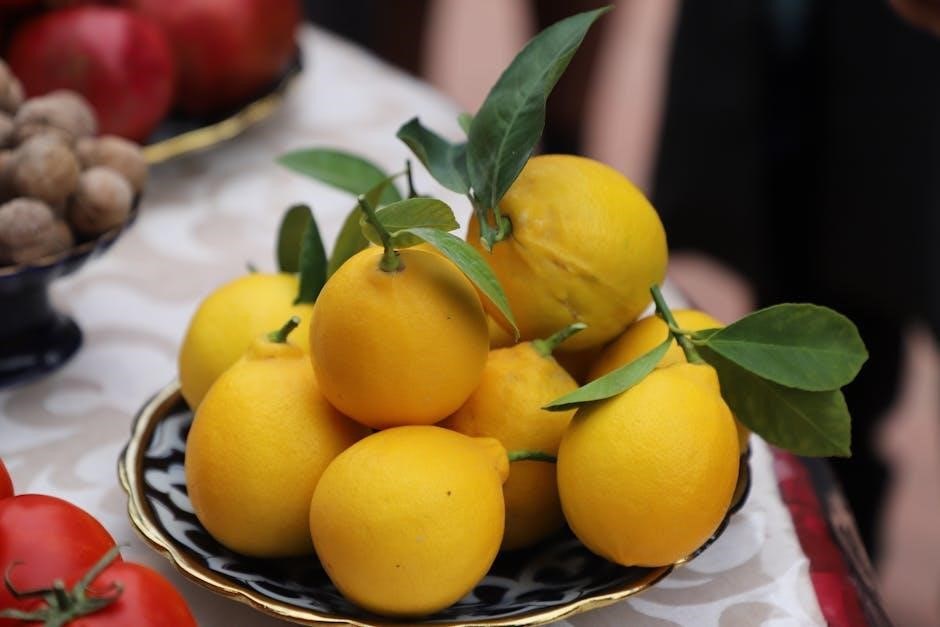
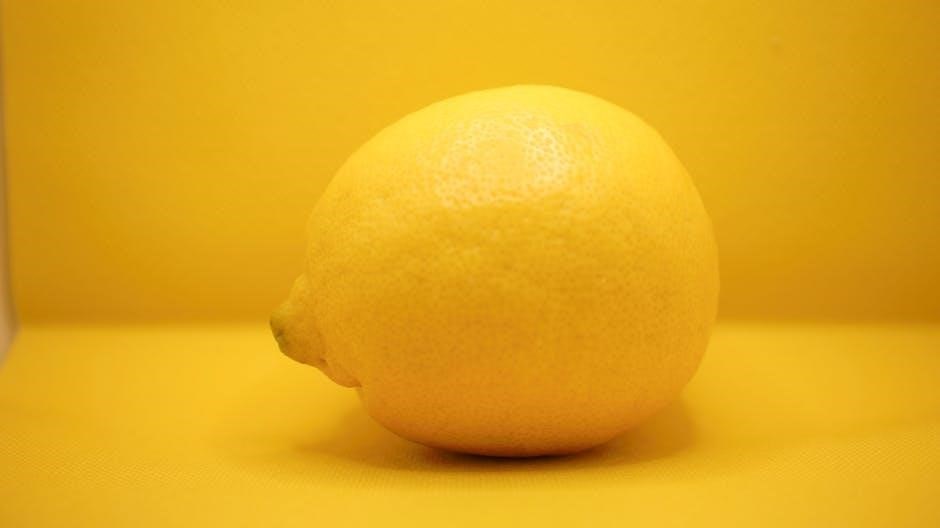
However, even within these categories, individual tolerance differs․ It’s crucial to monitor your body’s response․ Fruits to consume in moderation include berries (strawberries, blueberries, raspberries), as their acidity is moderate․ Avoid or severely limit high-acid fruits such as citrus fruits (oranges, grapefruits, lemons, limes), tomatoes, and pineapple․
The PDF often provides a detailed chart categorizing fruits based on their pH levels, assisting in informed choices․ Remember, portion control is also key; even lower-acid fruits can cause issues if consumed in large quantities․ Prioritize ripe fruits, as they tend to be less acidic than unripe ones․
Vegetables: Prioritizing Non-Acidic Choices
An acid reflux diet plan PDF highlights the importance of vegetable selection for managing GERD․ Prioritize non-acidic vegetables like green beans, broccoli, cauliflower, potatoes (especially boiled or mashed), carrots, and leafy greens (spinach, kale, lettuce)․ These choices are less likely to trigger acid reflux symptoms and contribute to overall digestive health․ Steaming or boiling vegetables is preferable to frying, minimizing added fats․
Moderate consumption of vegetables like peas, asparagus, and Brussels sprouts is generally acceptable, but monitor your individual tolerance․ Vegetables to limit or avoid include tomatoes (and tomato-based products), onions, garlic, peppers (especially chili peppers), and fried vegetables․ These tend to be higher in acidity or can stimulate acid production․
The PDF often includes a comprehensive list categorizing vegetables by their acidity levels, aiding in informed meal planning․ Remember to consider preparation methods; avoiding added fats and spices is crucial for minimizing reflux triggers․
Whole Grains & Legumes: Fiber’s Role
An acid reflux diet plan PDF emphasizes the benefits of incorporating whole grains and legumes due to their fiber content․ Fiber aids digestion and can help absorb stomach acid, reducing the likelihood of reflux․ Excellent choices include oatmeal, brown rice, whole-wheat bread, and quinoa․ Legumes like lentils, chickpeas, and beans also provide valuable fiber and protein․
However, portion control is key, as excessive fiber intake can sometimes lead to bloating and gas, potentially exacerbating discomfort․ Avoid heavily processed grains and those with added sugars or fats․ The PDF often suggests starting with smaller portions to assess tolerance․
Legumes, while beneficial, may cause gas in some individuals; consider introducing them gradually․ Prioritizing well-cooked options can also improve digestibility․ A balanced intake of whole grains and legumes supports a healthy digestive system and helps manage acid reflux symptoms;

Foods to Avoid: Triggers for Acid Reflux
An acid reflux diet plan PDF highlights fried foods, acidic fruits/vegetables, chocolate, caffeine, and alcohol as primary triggers to eliminate for symptom relief․
Fried & Fatty Foods: The Biggest Culprit
According to numerous acid reflux diet plan PDFs and dietary experts, fried and fatty foods consistently rank as the most significant dietary trigger for acid reflux and GERD symptoms․ These foods have a delayed gastric emptying rate, meaning they remain in the stomach for a longer period․ This extended stay increases the likelihood of stomach acid backing up into the esophagus, causing that familiar burning sensation․
The high fat content also relaxes the lower esophageal sphincter (LES), the muscular valve that prevents acid from flowing upwards․ A weakened LES allows stomach acid to escape more easily․ Examples of problematic foods include french fries, onion rings, fried chicken, fatty cuts of meat, and full-fat dairy products․
A comprehensive PDF guide will often emphasize substituting these with leaner protein sources and healthier cooking methods like baking, grilling, or steaming․ Minimizing fat intake is a cornerstone of managing acid reflux through diet․
Acidic Fruits & Vegetables: Tomatoes, Citrus
Many acid reflux diet plan PDFs highlight the potential for certain fruits and vegetables to exacerbate symptoms due to their inherent acidity․ Tomatoes and citrus fruits – including oranges, grapefruits, lemons, and limes – are frequently cited as common triggers․ Their low pH levels can irritate the esophageal lining, intensifying heartburn and discomfort․
While incredibly nutritious, these foods can relax the lower esophageal sphincter (LES), allowing stomach acid to reflux more easily․ Tomato-based products like sauces, ketchup, and salsa are also problematic․ However, individual tolerance varies; some individuals may be able to consume small amounts without issue․
PDF guides often suggest opting for lower-acid alternatives like bananas, melons, or green vegetables․ Careful monitoring of personal reactions is crucial when incorporating fruits and vegetables into an acid reflux-friendly diet․
Chocolate, Caffeine & Alcohol: Common Irritants
Acid reflux diet plan PDFs consistently identify chocolate, caffeine, and alcohol as significant dietary triggers․ These substances can relax the lower esophageal sphincter (LES), the muscle preventing stomach acid from flowing back into the esophagus, leading to heartburn․ Chocolate, particularly, contains methylxanthines which have this relaxing effect․

Caffeine, found in coffee, tea, and some sodas, stimulates acid production in the stomach, increasing the likelihood of reflux․ Alcohol similarly weakens the LES and can irritate the esophageal lining․ Many PDFs recommend complete avoidance or significant reduction in consumption․
Individual sensitivity varies, but these are frequently listed as “avoid” foods․ Substituting with herbal teas, decaffeinated beverages, or simply water is often suggested for symptom management․ Careful self-monitoring is key to understanding personal tolerance levels․
Beyond Food: Lifestyle & Eating Habits
Acid reflux diet plan PDFs emphasize meal timing, portion control, and posture; eating slowly and remaining upright post-meal aids digestion and minimizes acid flow․
Meal Timing & Portion Control
Acid reflux diet plan PDFs consistently highlight the importance of strategic meal timing and mindful portion sizes․ Large meals can significantly increase stomach pressure, escalating the likelihood of acid flowing back into the esophagus․ Instead of three large meals, consider smaller, more frequent meals throughout the day․ This approach helps maintain consistent stomach acid levels and reduces the burden on the lower esophageal sphincter (LES)․
Avoid eating late at night, ideally finishing your last meal at least 2-3 hours before bedtime․ Lying down with a full stomach dramatically increases the risk of nighttime acid reflux․ Portion control is equally crucial; overeating, even with reflux-friendly foods, can trigger symptoms․ Utilize smaller plates and consciously practice mindful eating, paying attention to fullness cues․ A downloadable PDF often includes visual guides to appropriate portion sizes for various food groups, aiding in effective management of GERD symptoms through dietary adjustments․
Eating Slowly & Staying Upright After Meals
Many acid reflux diet plan PDFs emphasize that how you eat is just as important as what you eat․ Rushing through meals leads to swallowing excess air, contributing to bloating and increased stomach pressure – both reflux triggers․ Consciously slow down, chew your food thoroughly, and savor each bite․ This aids digestion and reduces the volume of air ingested․
Following a meal, remain upright for at least three hours․ Gravity assists in keeping stomach acid where it belongs․ Avoid lying down or slouching immediately after eating․ If you must sit, ensure your upper body is elevated․ A PDF resource might suggest using pillows for support if you experience reflux while seated․ These simple behavioral changes, alongside dietary modifications, significantly contribute to managing GERD symptoms and improving overall digestive comfort, as detailed in comprehensive reflux diet guides․
Hydration & Its Impact on Acid Reflux
Acid reflux diet plan PDFs consistently highlight the crucial role of hydration, but emphasize how you hydrate․ While adequate fluid intake is vital for overall health, gulping large volumes of liquid during meals can exacerbate reflux; This increases stomach volume, putting pressure on the lower esophageal sphincter (LES)․ Instead, sip water slowly throughout the day, and between meals․
Water itself helps dilute stomach acid, potentially lessening irritation․ However, avoid acidic beverages like citrus juices or carbonated drinks, as these can trigger symptoms․ Many PDFs recommend prioritizing water as your primary beverage․ Proper hydration supports digestive function and can contribute to a healthier LES․ Maintaining adequate fluid levels, alongside dietary adjustments, is a cornerstone of effective acid reflux management, as detailed in comprehensive diet resources․